
Table of Contents
Sea Salt VS. Table Salt – Difference , Uses , And Benefits
1 . What is Sea Salt?
2. What is Table Salt?
3. Sea Salt vs. Table Salt: What’s the Difference?
1. What is sea salt ?
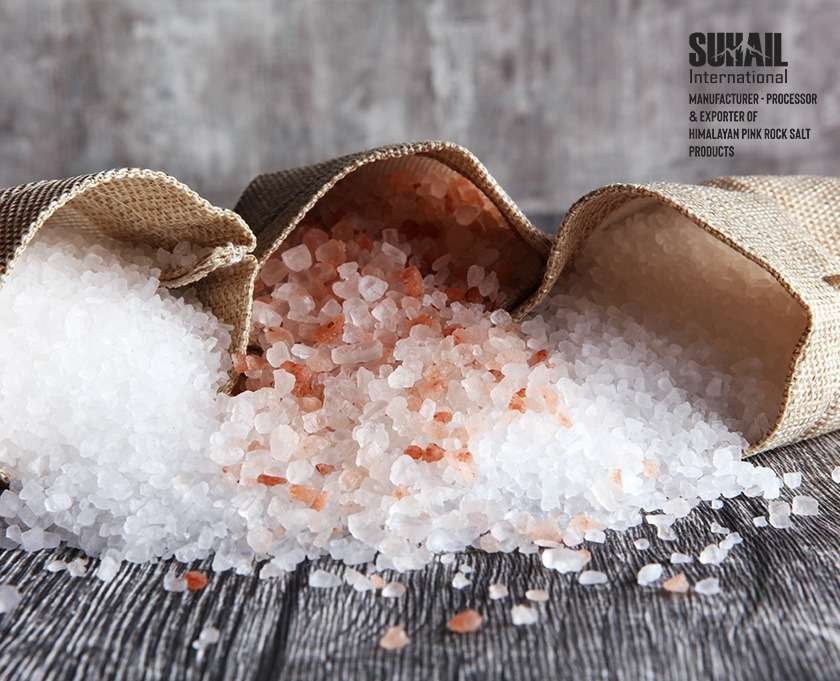
Sea salt is harvested through the natural evaporation of seawater, usually under the sun. Depending on the origin, it can vary in color, texture, and mineral content. Thanks to trace minerals like magnesium, potassium, and calcium, sea salt offers a more complex flavor and a crunchy texture.
It is a favorite among chefs and home cooks alike for finishing dishes and enhancing flavor naturally. Though sea salt contains some iodine, the quantity is usually lower than that in iodized table salt.
2. What is table salt ?
Table salt, also known as refined salt, is extracted from underground salt deposits. It undergoes heavy processing to remove minerals and impurities, leaving nearly pure sodium chloride. To prevent clumping, anti-caking agents are added, and most table salt is fortified with iodine to help prevent iodine deficiency.
Its fine, uniform texture makes it ideal for baking and everyday cooking where precise seasoning is needed.
3. Sea Salt vs. Table Salt: What’s the Difference?
Benefits of Sea Salt
Contains trace minerals beneficial for health
Adds texture and depth to dishes
Less processed than table salt
Enhances hydration when used moderately
Benefits of Table Salt
Affordable and widely available
Consistent flavor and texture
Contains added iodine for thyroid health
Dissolves quickly in cooking and baking
Best Uses of Sea Salt
Seasoning & Finishing: Sprinkle over salads, meats, and roasted veggies for texture.
Cocktail Glass Rimming: Perfect for margaritas and mocktails.
Baking: Some recipes benefit from the coarse crunch of sea salt.
Food Preservation: Traditionally used in curing meats and fish.
Skincare: Popular in exfoliating scrubs and bath salts.
Best Uses of Table Salt
Cooking & Baking: Dissolves easily, ensuring even seasoning.
General Seasoning: Ideal for soups, stews, and everyday meals.
Food Preservation: Used in pickling and canning.
Iodine Source: Helps prevent iodine deficiency.
Quick Tips: Sea Salt vs. Table Salt
Use sea salt for presentation & crunch.
Opt for table salt in baking for even distribution.
Sea salt offers trace minerals; table salt provides iodine.
Always measure by weight, not volume, when substituting.
Sea salt elevates gourmet dishes, while table salt keeps it simple.
Final Thoughts
Both sea salt and table salt bring unique qualities to your kitchen. Sea salt adds texture, visual appeal, and a hint of natural minerals—ideal for finishing touches and gourmet dishes. Table salt, on the other hand, is reliable, consistent, and enriched with iodine, making it perfect for daily cooking and baking.
✅ Looking for premium quality Sea Salt in bulk or wholesale?
Reach out to Suhail International Salt Company, a trusted supplier of natural sea salt and Himalayan pink salt.