
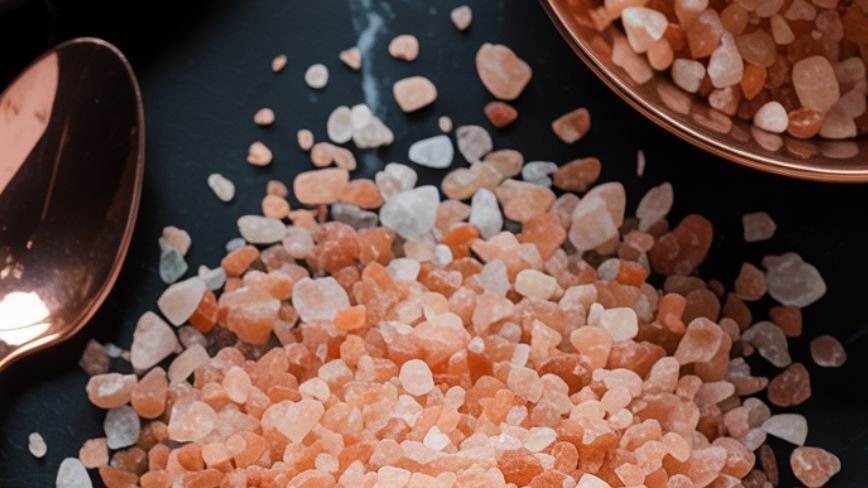
Himalayan pink salt has become one of the most talked-about ingredients in the health and wellness world. Celebrities swear by it, nutritionists debate it, and social media can’t stop sharing stunning photos of it. But beneath the hype, there are real, science-backed reasons why Himalayan pink salt is good for you — and some important limits you need to know about.
In this article, you’ll get a thorough, honest breakdown: what it is, what the research says about its benefits, how it compares to regular table salt and sea salt, and exactly how to use it. No miracle claims — just the facts.
📥 Free Resource: Want a quick-reference guide? Bookmark this page or share it with a friend who loves clean eating!
What Is Himalayan Pink Salt?
Himalayan pink salt is a naturally occurring rock salt mined from the Khewra Salt Mine in the Punjab region of Pakistan — one of the world’s oldest and largest salt mines, located about 300 kilometres from the Himalayas. The mine has been in use since the 13th century and the deposits are believed to have formed around 250 million years ago when ancient oceans evaporated and left mineral-rich salt beds behind.
Its signature rosy-pink colour comes from trace amounts of iron oxide, alongside other minerals like magnesium and potassium. The colour can range from pale blush to deep orange-red depending on mineral concentration in each crystal.
Unlike highly processed table salt — which is stripped of natural minerals, bleached, and mixed with iodine and anti-caking additives — Himalayan pink salt is minimally processed. It is typically hand-extracted and sold in coarse chunks, ground crystals, or decorative slabs.
Key Takeaway: Himalayan pink salt is an ancient, minimally processed rock salt from Pakistan. Its pink colour comes from iron oxide and trace minerals — not artificial colouring.
Nutritional Profile & Mineral Breakdown
Both Himalayan pink salt and regular table salt are primarily sodium chloride (NaCl) — around 96–99%. The difference lies in the remaining 1–4%, which in Himalayan pink salt contains up to 84 trace minerals including potassium, magnesium, calcium, iron, and zinc.
Mineral Content per 100g — Himalayan Pink Salt
| 🧂 Mineral | 📊 Amount per 100g | 💡 Function in Body |
|---|---|---|
| Sodium | 36,800 mg | Fluid balance, nerve signals, muscle contractions |
| Chloride | 59,900 mg | Stomach acid (HCl), digestion, pH balance |
| Potassium | ~3,500 mg | Heart health, blood pressure regulation |
| Magnesium | ~1,600 mg | Muscle relaxation, sleep, bone density |
| Calcium | ~400 mg | Bones, teeth, nerve transmission |
| Iron | ~380 mg | Red blood cell production, oxygen transport |
| Zinc | Trace | Immune function, wound healing |
*Source: Mineral analysis from multiple laboratory studies on Khewra mine salt samples.
Important honesty note: While 84 minerals sounds impressive, most are present in tiny trace amounts. The health benefits of Himalayan pink salt come through a combination of these minerals working together, its lower processing level, and practical cooking benefits — not from a single magic compound.
9 Science-Backed Benefits of Himalayan Pink Salt
Benefit 1: Electrolyte Balance & Hydration Support
Sodium is one of the body’s most important electrolytes. It regulates fluid balance, nerve signalling, and muscle contractions. When you sweat — during exercise, heat, or illness — you lose sodium rapidly, and if it isn’t replaced, you can become dehydrated even while drinking plenty of water.
Himalayan pink salt provides sodium alongside potassium, magnesium, and calcium — all electrolytes that support cellular hydration. This is why it’s popular among athletes as a natural alternative to commercial sports drinks. A small pinch in a glass of water after intense exercise can help replenish electrolytes more completely than plain water alone.
💡 Tip: Add ⅛ tsp of fine Himalayan pink salt + a squeeze of lemon to 500ml of water for a natural, low-cost electrolyte drink.
Benefit 2: Potentially Lower Sodium Intake Per Teaspoon
Because Himalayan pink salt has larger, coarser crystals, a teaspoon of it physically contains less salt by weight than a teaspoon of fine table salt. The crystals don’t pack as tightly, so you’re getting fewer milligrams of sodium per spoonful by volume.
This doesn’t mean you should use more freely — the sodium is still there. But for people who season by the spoon, switching to coarse-ground Himalayan pink salt may naturally reduce sodium consumption without sacrificing flavour.
Benefit 3: Digestive Support & Enzyme Activation
Salt plays a critical role in digestion. Chloride — which makes up a large portion of Himalayan pink salt — is a key component of hydrochloric acid (HCl) in your stomach. Without adequate HCl, your digestive system struggles to break down proteins and absorb nutrients properly.
In traditional Ayurvedic medicine, Himalayan salt variants have been used for centuries as a digestive aid. Modern nutritional science supports the idea that adequate chloride intake supports healthy enzyme production and stomach acid levels.
Benefit 4: Respiratory Health Through Salt Therapy (Halotherapy)
Salt therapy — also called halotherapy — involves breathing in fine salt-infused air, typically in salt caves or specialised rooms. Salt miners in Eastern Europe were historically observed to have remarkably clear respiratory health, sparking modern interest in this practice.
Halotherapy claims include relief from asthma, bronchitis, sinusitis, and seasonal allergies. The evidence is still emerging rather than conclusive, but a 2014 review in the Journal of Medicine and Life found positive indications for halotherapy in managing respiratory conditions.
⚠️ Note: Himalayan salt lamps have limited clinical evidence for air-purifying claims. Treat them as decorative rather than medicinal.
Benefit 5: Skin & Beauty Benefits (Topical Use)
Himalayan pink salt is widely used in beauty rituals — from salt scrubs that exfoliate dead skin cells to mineral-rich bath soaks that soothe tired muscles. The magnesium content is particularly relevant: research suggests magnesium can be absorbed transdermally (through the skin) in small amounts, supporting skin barrier function.
A warm Himalayan pink salt bath can help relax muscles, soften skin, and support recovery. Salt scrubs naturally exfoliate and stimulate circulation. These are topical benefits, distinct from dietary ones.
Benefit 6: Supporting Blood Sugar Balance
Trace minerals like chromium — present in small amounts in pink salt — play a documented role in insulin sensitivity and blood sugar regulation. Chromium helps insulin work more efficiently at moving sugar from the bloodstream into cells.
The trace amounts in pink salt are unlikely to be clinically significant on their own, but as part of a mineral-rich whole-foods diet, they contribute to the broader ecosystem of micronutrients your body needs. This benefit is supportive rather than therapeutic.
Benefit 7: Bone Strength & Mineral Density
Himalayan pink salt contains calcium, phosphorus, and magnesium — all essential minerals for maintaining strong bone density. Magnesium works closely with calcium to ensure proper absorption and utilisation in bones.
Over a lifetime of dietary choices, choosing minimally processed foods that retain natural minerals — including using natural salt — contributes to a nutrient-dense diet that supports skeletal health long-term.
Benefit 8: Better Sleep Through Mineral Support
Magnesium — present in pink salt — is well-studied for its role in activating the parasympathetic nervous system (your “rest and digest” mode) and regulating melatonin production. Low magnesium levels are commonly associated with poor sleep quality and restlessness.
Some wellness practitioners recommend a tiny pinch of Himalayan pink salt with raw honey before bed as a natural sleep support ritual. While direct clinical research on this specific practice is limited, the magnesium-sleep connection is well-supported by broader nutritional science.
Benefit 9: Sole Water & Mineral Replenishment
Sole water (pronounced “so-lay”) is a traditional wellness drink made by dissolving Himalayan pink salt in water until saturated. Advocates claim it supports hydration, pH balance, energy levels, and digestion. It’s typically consumed diluted — one teaspoon of sole in a glass of water each morning.
The scientific evidence for sole water’s specific claims is limited, but the underlying logic — that mineral-rich water supports electrolyte balance — has nutritional merit. If you try it, start with a very small amount and consult a healthcare professional if you have kidney issues or hypertension.
Salt is not your enemy — processed, refined, additive-laden salt used in excess is. Choosing minimally processed Himalayan pink salt is one small, meaningful step toward a cleaner plate.
Himalayan Pink Salt vs. Other Salts — Full Comparison
One of the most common questions health-conscious shoppers ask is: how does Himalayan pink salt compare to sea salt, table salt, and kosher salt?
| 🧂 Type of Salt | ⚙️ Processing | 💎 Trace Minerals | 🩺 Iodine | 🍳 Best Use |
|---|---|---|---|---|
| ⭐ Himalayan Pink Salt | Minimal (hand-mined) | ✅ Up to 84 | ⚠️ Low natural trace | Cooking, finishing, baths, salt slabs |
| 🌊 Sea Salt | Low–moderate (evaporation) | ✅ 20–60+ | ⚠️ Trace (varies) | Finishing, baking, cooking |
| 🏭 Table Salt | Heavy (refined + bleached) | ❌ Stripped | ✅ Fortified | Everyday cooking, iodine source |
| 🥩 Kosher Salt | Moderate | ⚠️ Minimal | ❌ Usually none | Cooking, meat curing |
| 🌿 Celtic Salt (Grey Salt) | Minimal (hand-harvested) | ✅ Rich (ocean minerals) | ⚠️ Trace | Finishing, mineral-focused diets |
💡 Dietitian Tip: If you rely on table salt as your primary iodine source, switching entirely to Himalayan pink salt means you’ll need to get iodine elsewhere — from seafood, dairy, eggs, or an iodine supplement. Iodine deficiency is still a real concern in some populations.
Important Caveats & Limitations
Himalayan pink salt is not a superfood. It does not cure disease, and many claims that circulate online are overstated. Here’s what you genuinely need to know:
- It is still high in sodium. If you have high blood pressure, heart disease, or kidney disease, Himalayan pink salt does not get a free pass. Sodium is sodium.
- The mineral content is real but tiny. You would need to eat an unrealistic amount of salt to get meaningful amounts of calcium or magnesium from it. Get minerals from whole foods.
- Clinical research is limited. Most health claims come from observational data, traditional use, and small studies — not large-scale randomised controlled trials.
- Salt lamps don’t purify air. There is no credible scientific evidence that Himalayan salt lamps meaningfully ionise or purify indoor air.
- Product purity varies. Some products marketed as Himalayan pink salt are blended or sourced elsewhere. Look for certified-origin, independently tested brands.
⚠️ Medical Disclaimer: This article is for educational purposes only and is not a substitute for professional medical advice. Always consult a registered dietitian or physician before making significant dietary changes, especially if you have a chronic health condition.
How Much Himalayan Pink Salt Per Day?
The World Health Organization recommends consuming less than 5 grams of salt per day — roughly one teaspoon — which equals about 2,000mg of sodium. The American Heart Association advises an even lower target of 1,500mg for most adults.
| 🏛️ Guideline | 🎯 Sodium Target | 🧂 Salt Equivalent |
|---|---|---|
| ✅ WHO (General Public) | < 2,000 mg/day | ~1 tsp Himalayan pink salt |
| ⚠️ AHA (Heart Health) | < 1,500 mg/day | ~¾ tsp Himalayan pink salt |
| ❌ Average Person (actual) | ~3,400 mg/day | ⚠️ Nearly double the limit! |
Practical tip: Use Himalayan pink salt as a finishing salt rather than a cooking salt. You use less, but taste it more — so you get maximum flavour with minimum sodium.
7 Practical Ways to Use Himalayan Pink Salt
- As a finishing salt: Sprinkle coarse crystals on salads, grilled meats, avocado toast, or dark chocolate just before serving. The large crystals dissolve on your tongue and deliver a burst of flavour with less overall sodium.
- In everyday cooking: Use fine-ground Himalayan pink salt exactly as you would table salt in soups, pasta water, sauces, and baking. The taste difference is subtle in cooked dishes.
- Natural electrolyte water: Add a small pinch (⅛ tsp) to a 500ml bottle of water along with fresh lemon juice for a natural, low-cost electrolyte drink during or after exercise.
- Mineral-rich bath soak: Add ¼ to ½ cup of coarse Himalayan pink salt to a warm bath with a few drops of lavender essential oil. Soak for 20 minutes to relax muscles and soften skin.
- DIY salt scrub: Mix ¼ cup Himalayan pink salt with 2 tbsp coconut oil and a few drops of your favourite essential oil. Use as a gentle body scrub in the shower to exfoliate and moisturise.
- Sole water (morning mineral drink): Place a few large crystals in a glass jar, fill with filtered water, cover with a non-metal lid, and leave overnight. The next morning, add 1 tsp of this saturated solution to a full glass of water and drink on an empty stomach.
- Salt slab cooking: Purchase a Himalayan salt slab and use it as a cooking surface or serving plate. It imparts a subtle, mineral-rich seasoning to foods and retains heat beautifully for table-side serving.
Frequently Asked Questions
❓ Is Himalayan pink salt healthier than regular table salt?
In several measurable ways, yes — Himalayan pink salt contains more trace minerals, is free of additives like anti-caking agents, and is minimally processed. However, both types are primarily sodium chloride. The practical health difference in a typical diet is modest. The bigger win is using any salt in moderation as part of a whole-foods diet.
❓ How much Himalayan pink salt should you use per day?
The WHO recommends less than 5g of salt per day (about 2,000mg of sodium), which is roughly one teaspoon. Most people far exceed this through processed foods, so tracking your total daily sodium — not just what you add at the table — is the smarter approach.
❓ Does Himalayan pink salt help with hydration?
Yes, to a meaningful degree. Sodium is critical for fluid balance in your cells, and the additional electrolytes in pink salt (potassium, magnesium) support comprehensive cellular hydration. Athletes often add a small pinch to water as a natural electrolyte boost. Just don’t overdo it — excess sodium can actually draw water out of cells.
❓ Can Himalayan pink salt help with high blood pressure?
Not directly — and this is important. If you have hypertension, you need to reduce overall sodium intake. Himalayan pink salt is not a low-sodium alternative. Speak with your doctor or a registered dietitian before making any changes to manage blood pressure.
❓ What is sole water and how do you make it?
Sole water is a saturated salt solution made by placing Himalayan pink salt crystals in a glass jar of filtered water overnight. If undissolved crystals remain at the bottom by morning, the solution is fully saturated. Add 1 teaspoon of this concentrate to a full glass of water and drink it. Benefits include electrolyte support and mineral replenishment, though large-scale clinical trials are still lacking.
❓ Where does Himalayan pink salt actually come from?
Despite the name, it doesn’t come from the Himalayan mountain range itself. It is mined from the Khewra Salt Mine in the Salt Range mountains of Punjab, Pakistan — about 300km from the Himalayas. The deposits formed approximately 250 million years ago from ancient evaporated sea beds compressed under geological pressure over millennia.
❓ Is Himalayan pink salt safe during pregnancy?
In normal culinary amounts, yes. However, pregnant women should manage sodium intake carefully to avoid water retention and blood pressure issues. One concern with switching entirely to Himalayan pink salt is reduced iodine intake, which is critical for foetal brain development. Ensure you’re getting iodine from other sources — seafood, dairy, eggs, or a prenatal supplement. Always consult your OB/GYN or midwife.
About the Author
Suhail Salt — Himalayan Salt Expert & Wellness Writer
Suhail Salt is a Himalayan salt expert and wellness writer with deep roots in the Pakistani salt industry. With years of hands-on experience sourcing and studying Himalayan pink salt from the Khewra Salt Mine, Suhail combines traditional knowledge with modern nutritional research to help readers make informed, health-conscious choices. His writing covers salt science, clean eating, and natural wellness practices.