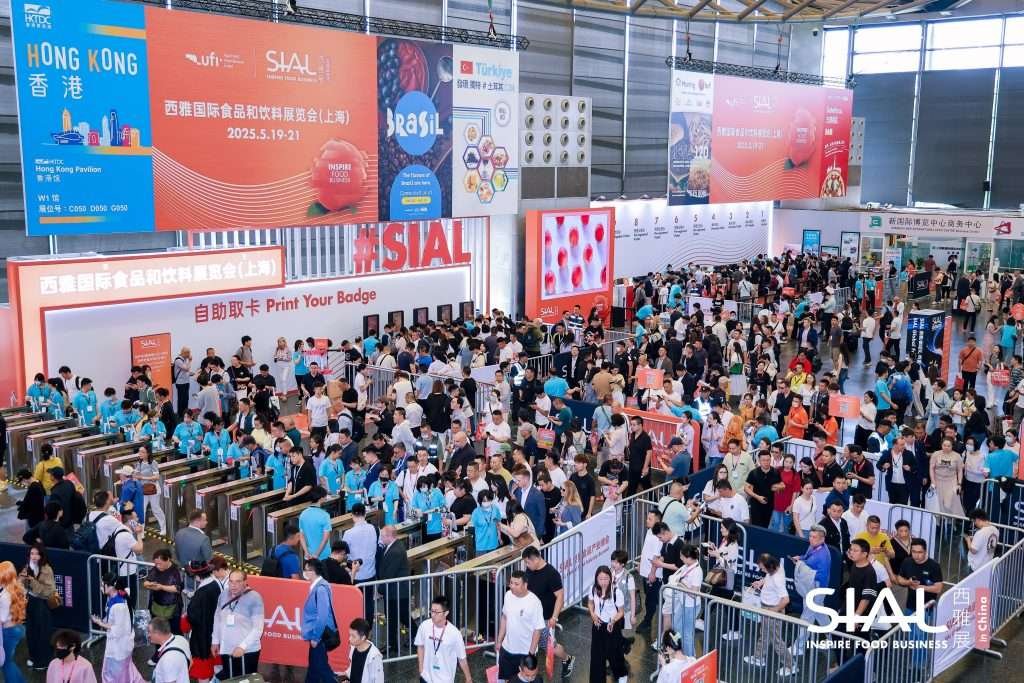
What happened at SIAL China 2026 regarding Himalayan Pink Salt? In the final week of May 2026, 13 premier Pakistani enterprises exhibited authentic Himalayan Pink Salt at the prestigious SIAL China exhibition in Shanghai, organized under the Trade Development Authority of Pakistan (TDAP). The event marked a strategic shift from exporting raw salt to showcasing premium, packaged, and semantically branded retail goods. This milestone underscores Pakistan’s rising authority in global B2B supply chains, capitalizes on the growing Chinese consumer demand for organic health products, and drives substantial international revenue growth.
Introduction
The global landscape for gourmet culinary ingredients and organic wellness products is undergoing a major shift, and Pakistani Himalayan Pink Salt stands at the very center of this transformation. In the final week of May 2026, the international food and beverage sector witnessed a historic milestone at the SIAL China 2026 exhibition in Shanghai. Under the strategic supervision of the Trade Development Authority of Pakistan (TDAP), thirteen leading Pakistani export enterprises showcased the country’s unique mineral wealth, capturing the attention of major Chinese food conglomerates, global distributors, and retail supply chain managers.
This event was not merely a standard trade showcase. It represented a crucial turning point for Pakistan’s extraction and trade policy. For decades, global markets associated Pakistani pink salt with bulk, unrefined exports that foreign intermediaries later processed and branded. Today, through structured initiatives, Pakistan actively claims its geographical and economic rights over this natural resource. By presenting retail-ready, premium-grade Himalayan Pink Salt at SIAL China 2026, these thirteen companies established a direct, authoritative pipeline into the world’s largest consumer market, signaling a bright future for sustainable B2B trade partnerships between Islamabad and Beijing.
Understanding the Strategic Impact of SIAL China 2026 on Himalayan Pink Salt Trade
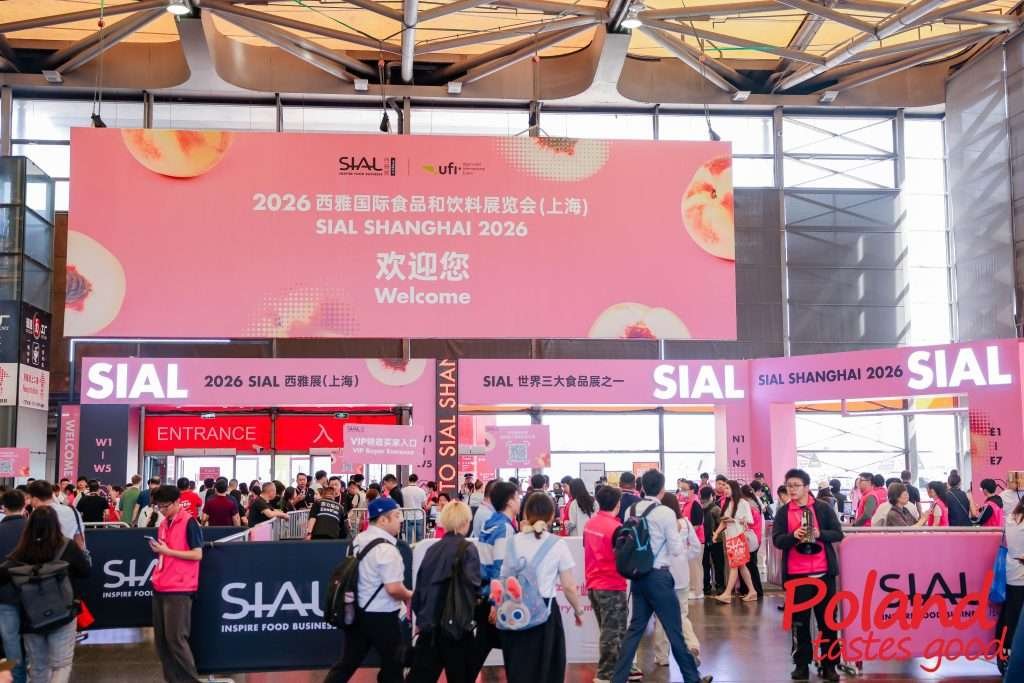
The SIAL China 2026 exhibition is one of Asia’s most influential food and beverage trade platforms, attracting hundreds of thousands of industry professionals, institutional buyers, and supply chain experts to Shanghai. For the Pakistani salt sector, this venue provided an ideal opportunity to showcase high-quality mineral products directly to top-tier international businesses.
The Role of TDAP and the 13 Pakistan Exhibitors
The Trade Development Authority of Pakistan (TDAP) played a vital role in organizing, vetting, and managing the Pakistani pavilion at SIAL China. By selecting 13 reputable, quality-compliant manufacturing units, TDAP ensured that the displayed products met strict international food safety regulations and phytosanitary standards.
These exhibitors showcased a diverse portfolio of pink salt products, including:
-
Fine Ground Culinary Pink Salt: Ideal for direct retail distribution and consumer packaging.
-
Coarse Rock Salt Crystals: Geared toward industrial food processing, gourmet spice grinders, and bulk commercial buyers.
-
Premium Wellness Entities: Including therapeutic bath salts, natural rock salt blocks for culinary searing, and crafted salt lamps that attract high-margin lifestyle markets.
The Shift from Raw Material to Premium Finished Goods
Historically, a significant percentage of Pakistan’s rock salt was exported in its raw, unrefined form to neighboring regions, where it was processed, packaged, and sold globally at a premium. The strategic display of Himalayan Pink Salt at SIAL China 2026 shows a decisive break from this trend.
By showcasing beautifully branded, finely ground, and strictly graded items, Pakistani companies demonstrated their advanced processing capabilities. This shift ensures that the economic premium and value-added profits remain within the local Pakistani economy, directly supporting thousands of livelihoods involved in sustainable mining operations across the Salt Range.
The Semantic and Economic Landscape of the Chinese Premium Salt Market
China’s domestic consumer market is experiencing an unprecedented surge in demand for organic, unrefined, and health-focused dietary products. As disposable incomes rise across major Chinese metropolitan centers like Shanghai, Beijing, and Shenzhen, consumers are actively looking for healthy alternatives to traditional table salt.
Why Himalayan Pink Salt Appeals to Chinese Consumers
Traditional white table salt undergoes heavy refining processes that strip away natural trace minerals and often introduce anti-caking chemical additives. In contrast, authentic Pakistani Himalayan Pink Salt contains up to 84 essential trace minerals, including iron, magnesium, potassium, and calcium. These minerals give the salt its iconic pink hue and offer distinct health benefits.
During the SIAL China 2026 event, international buyers and food scientists praised the product for its natural purity and lack of microplastics—a growing concern associated with modern sea salt harvesting. The semantic alignment between Chinese wellness philosophies (which emphasize natural, earth-derived ingredients) and the pure profile of pink rock salt created a perfect environment for securing long-term trade contracts.
B2B Trade Optimization and the CPEC Synergy
The economic partnership between Pakistan and China, strengthened by the China-Pakistan Economic Corridor (CPEC), provides an excellent foundation for expanding the salt trade. Optimized transport routes, reduced trade barriers, and streamlined customs clearance protocols allow Pakistani exporters to deliver bulk and retail orders to Chinese ports with high efficiency. The immense interest generated at SIAL China 2026 proves that pink salt is poised to become a core non-traditional export commodity, balancing bilateral trade volumes and driving significant foreign exchange earnings.
Global E-E-A-T Analysis of Pakistan’s Salt Extraction and Quality Standards
To maintain a competitive edge in international markets like China, the United States, and the European Union, the Pakistani salt industry relies heavily on verified quality assurance frameworks and international certifications. Building trust with large B2B buyers requires strict adherence to global food safety standards.
│  - Geographical Indication (GI) Protection   │
│  - ISO 22000 & HACCP Safety Certifications   │
│  - Full Blockchain Supply Chain Traceability │
└──────────────────────────────────────────────┘
Geographical Indication (GI) Tagging
A major factor boosting Pakistan’s authority (E-E-A-T) in the global marketplace is the formal registration and enforcement of Geographical Indication (GI) tagging for Himalayan Pink Salt. Just as Champagne is legally tied to France, true pink salt is now globally recognized as a unique product of Pakistan’s Salt Range, centered around the historic Khewra Salt Mine. This legal framework protects international buyers from counterfeit products and ensures they are sourcing genuine, premium minerals directly from their rightful origin.
Certified Manufacturing and Processing Units
The 13 companies representing Pakistan at SIAL China 2026 operate state-of-the-art processing facilities equipped with modern optical sorting machinery, advanced crushing mills, and sterile packaging environments. These facilities hold essential global certifications, including:
-
ISO 22000: Food Safety Management Systems.
-
HACCP (Hazard Analysis Critical Control Point): Preventing biological, chemical, and physical hazards in production.
-
Kosher and Halal Certifications: Ensuring compliance with diverse dietary requirements across global demographic segments.
By highlighting these rigorous standards at SIAL China, exporters successfully addressed the stringent entry requirements of China’s food import regulatory bodies, giving international distributors full confidence in the product’s safety and premium quality.
Entities Map for Himalayan Pink Salt Export
By systematically integrating these specific entity relationships into B2B marketing funnels, corporate portfolios, and digital assets, exporters can rank authoritatively for high-intent search queries worldwide.
Frequently Asked Questions (FAQs) Regarding Himalayan Pink Salt Trade
Q1: What makes Pakistani Himalayan Pink Salt unique compared to other rock salts?
Authentic Himalayan Pink Salt is exclusively mined from the ancient Salt Range in Punjab, Pakistan. Its distinct pink coloration stems from natural trace minerals, particularly iron oxide. Unlike sea salt, which can contain modern oceanic pollutants and microplastics, this rock salt has remained protected deep within the earth for over 250 million years, ensuring an uncharacteristic level of chemical purity and mineral density.
Q2: How did TDAP support Pakistani exporters at SIAL China 2026?
The Trade Development Authority of Pakistan (TDAP) provided essential institutional support by organizing the national pavilion, subsidizing exhibition space, vetting reliable exporters, and facilitating high-level B2B match-making sessions. This coordinated effort allowed Pakistani enterprises to connect directly with major Asian distribution networks under a verified national umbrella.
Q3: What is the impact of Geographical Indication (GI) tagging on the salt trade?
GI tagging legally certifies that true Himalayan Pink Salt originates solely from Pakistan. This protection prevents international counterfeiters from mislabeling generic sea or rock salt from other regions as “Himalayan,” thereby stabilizing market prices and preserving the premium value and brand integrity of authentic Pakistani products.
Q4: Which international industries drive the highest demand for bulk pink salt?
While the gourmet culinary and retail food packaging industries remain the primary drivers, substantial demand also exists in the wellness, spa, and cosmetics sectors for bath salts and exfoliating blends. Additionally, the interior design and holistic health sectors generate steady demand for structural salt blocks and custom-designed salt lamps.
Conclusion: A Vision for Sustainable Export Expansion Beyond SIAL China 2026
The outstanding success of Himalayan Pink Salt at SIAL China 2026 marks a significant triumph for Pakistan’s modern trade diplomacy and industrial processing sector. By stepping onto the international stage in Shanghai with value-added, elegantly packaged retail products rather than unrefined raw minerals, the 13 participating companies demonstrated the high caliber of Pakistani enterprise.
Moving forward, sustaining this upward trajectory requires continuous investment in mining technology, strict adherence to global E-E-A-T metrics, and proactive digital marketing optimized for semantic search environments. As international markets increasingly prioritize natural, mineral-rich, and ethically sourced products, Pakistan’s strategic positioning at major trade shows like SIAL China ensures that its prized natural resource will continue to lead the global premium salt industry, delivering lasting economic growth and commercial prosperity for years to come.