
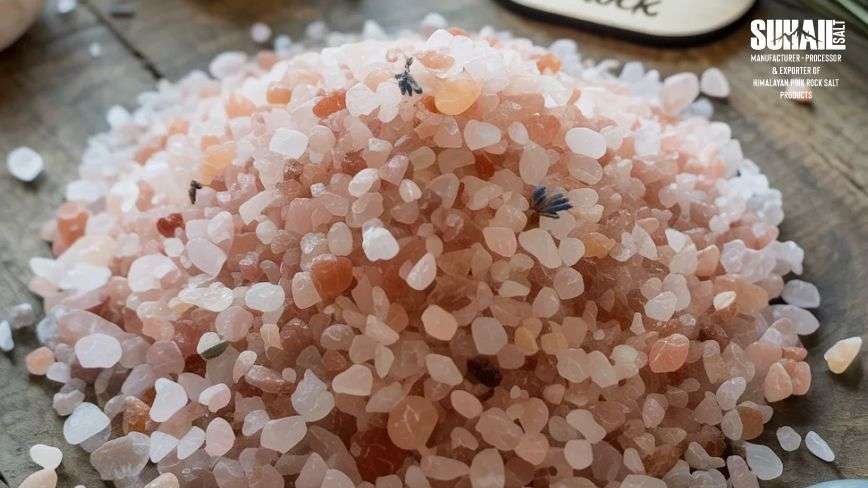
When comparing pink Himalayan salt vs sea salt, the primary differences lie in origin, mineral density, and purity. Pink Himalayan salt is an unrefined rock salt mined from the Khewra Salt Mine in Pakistan, containing up to 84 trace minerals including iron, which provides its signature hue. Sea salt is produced via the natural evaporation process of ocean water and is prized for its briny flavor. While both are similar in sodium chloride content, many chefs and health-conscious consumers in the USA prefer Himalayan salt due to its lack of microplastics and its status as a chemical-free salt production staple.
Introduction
The modern kitchen is no longer a place for just “table salt.” Today, home cooks and professional chefs alike are navigating a sea of artisanal options, often finding themselves stuck between two giants: pink Himalayan salt vs sea salt. Whether you are looking for himalayan salt vs sea salt for cooking or trying to understand the himalayan pink salt health benefits, the choice impacts both your flavor profiles and your wellness goals.
At Suhail Salt, we take pride in being Pakistan’s #1 Himalayan salt manufacturer and exporter. We understand that the “best” salt depends on your specific needs—be it electrolyte replenishment, a detox bath salt soak, or seasoning a gourmet meal. In this deep-dive guide, we will analyze these salts through the lens of mineralogy, culinary utility, and environmental purity to help you decide which one belongs in your grinder.
The Origin Story: Ancient Seabeds vs. Modern Oceans
Himalayan Salt: The Prehistoric Powerhouse
The primary distinction in the himalayan salt vs sea salt debate is age. Pink Himalayan salt is harvested from ancient seabed deposits located deep within the Himalayan foothills. These deposits were formed over 250 million years ago, long before modern industrial pollution existed. This makes it a food-grade mineral salt that is naturally protected from the contaminants found in today’s water systems.
Sea Salt: The Harvest of the Tides
In contrast, sea salt is a product of our current environment. Produced through sun-dried sea salt harvesting, this salt carries the flavor of the specific region it comes from. However, because it is sourced from modern oceans, it is subject to the sea salt microplastics concern. While sea salt offers a wonderful “brine” finish, its purity is directly tied to the cleanliness of the water from which it was evaporated.
Nutritional Breakdown: Pink Salt vs Sea Salt Sodium Content
One of the most common questions we hear at Suhail Salt is: which is healthier himalayan salt or sea salt? To answer this, we must look at the sodium chloride content.
Sodium and Mineral Density
Both salts consist of approximately 98% sodium chloride. However, the remaining 2% is where the himalayan salt trace minerals list becomes impressive. Pink salt contains:
-
Iron Oxide: Responsible for the iron oxide (pink coloration).
-
Magnesium & Potassium: Essential for pH balance support and nerve function.
-
Calcium: Supports bone health and metabolic processes.
Because it is unrefined vs refined salt, these minerals remain intact. Sea salt also contains trace minerals like zinc and iodine, but often in smaller quantities compared to the dense mineral profile found in hand-mined Himalayan crystals.
Purity and Heavy Metals
There is often discussion regarding pink salt heavy metals lead content. It is vital to source your salt from a reputable supplier. At Suhail Salt, our hand-mined salt crystals undergo rigorous testing to ensure they meet international safety standards, providing a natural sodium alternative that is safe for consumption in the USA market.
Himalayan Salt vs Sea Salt for Cooking and Grilling
The Chef’s Perspective
When it comes to himalayan salt vs sea salt for cooking, texture is everything.
-
Gourmet Finishing: Many use gourmet sea salt for finishing dishes because of its flaky texture that provides a “crunch” on salads or sweets.
-
Everyday Seasoning: For consistent seasoning, coarse vs fine himalayan salt cooking grains are preferred. Fine pink salt dissolves beautifully in soups, while coarse grains are perfect for a pink salt grinder refill bulk order.
Innovative Cooking Methods
A unique advantage of Himalayan salt is its physical durability. Using a himalayan salt block for grilling allows for a slow, even salt infusion into meats and vegetables. This is a culinary experience that sea salt simply cannot replicate.
Health and Wellness: Beyond the Shaker
The benefits of these salts extend far beyond the kitchen.
-
Hydration Optimization: Many athletes use pink salt for electrolyte balance pink salt benefits, adding a pinch to water to help the body retain necessary fluids during intense workouts.
-
Respiratory Wellness: Respiratory wellness salt therapy (halotherapy) often utilizes Himalayan salt due to its anti-inflammatory properties.
-
Therapeutic Baths: When choosing himalayan salt vs sea salt for bath use, Himalayan salt is often favored for its ability to soothe skin conditions and provide a more relaxing detox bath salt soak.
Why Choose Suhail Salt?
As a leading wholesale supplier, Suhail Salt ensures that every crystal is a result of minimal processing methods. We avoid all anti-caking agents, ensuring you receive a 100% natural product. Our commitment to sustainable salt sourcing means we respect the land while providing the USA with the best pink himalayan salt brand quality available.
Frequently Asked Questions
1. What is the difference between pink himalayan salt and sea salt?
The main difference is their source. Himalayan salt is mined from ancient land deposits in Pakistan, while sea salt is harvested from evaporated seawater. This results in different mineral profiles and purity levels.
2. Is pink himalayan salt healthier than sea salt?
While both have similar sodium levels, pink salt is often considered healthier because it is less likely to contain microplastics and contains more trace minerals like iron and magnesium.
3. Does pink himalayan salt have iodine?
Naturally, pink salt contains very little iodine. If you have iodine deficiency awareness, you should ensure your diet includes other iodine sources like seafood or dairy.
4. Can I substitute himalayan salt for sea salt in recipes?
Yes. They can be substituted 1:1, though you should account for grain size. Fine salt packs more tightly than coarse salt in a measuring spoon.
5. Why is himalayan salt pink and sea salt white?
Himalayan salt’s pink color comes from trace amounts of iron oxide. Sea salt is typically white, though some varieties (like Celtic or Hawaiian) can be grey, green, or red due to local minerals.
6. Which salt has less sodium: himalayan or sea salt?
By weight, they are nearly identical. However, because Himalayan salt crystals are often larger, a teaspoon of it may contain slightly less sodium than a teaspoon of highly processed table salt.
7. Are there microplastics in sea salt?
Recent environmental studies have shown that many commercial sea salts contain trace amounts of microplastics due to ocean pollution, a concern that does not apply to ancient Himalayan salt.
8. Is himalayan salt vs celtic sea salt better for electrolytes?
Both are excellent. Celtic sea salt is higher in moisture and magnesium, while Himalayan salt is higher in iron. Both support hydration optimization.
9. Does himalayan salt contain heavy metals?
While all-natural salts can contain trace elements, high-quality brands like Suhail Salt test their products to ensure they are well within food safety limits.
10. What are the best pink salt benefits for skin?
Using pink salt in a detox bath salt soak can help exfoliate the skin, reduce redness, and provide a boost of magnesium to tired muscles.
11. Is sea salt vs table salt better for cooking?
Sea salt is better than table salt because it is less processed and lacks the metallic taste of anti-caking agents found in table salt.
12. How can I tell if my Himalayan salt is authentic?
Authentic salt should be a product of Pakistan. When dissolved in water, it should leave the water slightly cloudy but not turn it a dark pink or red (which indicates added dye).
13. What is a salt grinder refill?
A pink salt grinder refill bulk purchase is the most cost-effective way to buy coarse salt, allowing you to grind fresh minerals directly onto your food for maximum flavor.
14. Does salt expire?
Pure salt does not expire. However, it can absorb moisture from the air, so it should be kept in a cool, dry place.
15. Is pink salt a natural sodium alternative?
It is still sodium, but because it is unrefined and contains minerals, many consider it a more “natural” way to consume salt compared to bleached table salt.
Conclusion
In the ultimate showdown of pink Himalayan salt vs sea salt, the winner is the one that fits your lifestyle. If you prioritize environmental purity, a rich himalayan salt trace minerals list, and a stunning aesthetic, then Suhail Salt’s Himalayan pink crystals are the superior choice. However, keep a high-quality sea salt on hand for that specific briny crunch when serving fresh oysters or garden-fresh tomatoes.
By choosing unrefined vs refined salt, you are investing in your health and the quality of your meals. For the best in purity and flavor, trust Suhail Salt, your partner in premium Himalayan mineral salt.