
Himalayan pink salt has exploded in popularity for its earthy flavor, trace mineral content, and aesthetic appeal. But with rising demand, counterfeit and heavily processed alternatives have flooded grocery shelves and online marketplaces. Learning how to identify original Himalayan pink salt isn’t just about avoiding scams—it’s about ensuring you’re getting a natural, minimally processed product that actually delivers on its culinary and wellness promises.
In this guide, you’ll discover five field-tested, science-backed verification methods that work whether you’re shopping online or standing in a spice aisle. By the end, you’ll confidently spot authentic pink salt and avoid dyed or refined imposters.
1. Examine the Color Gradient & Natural Variation
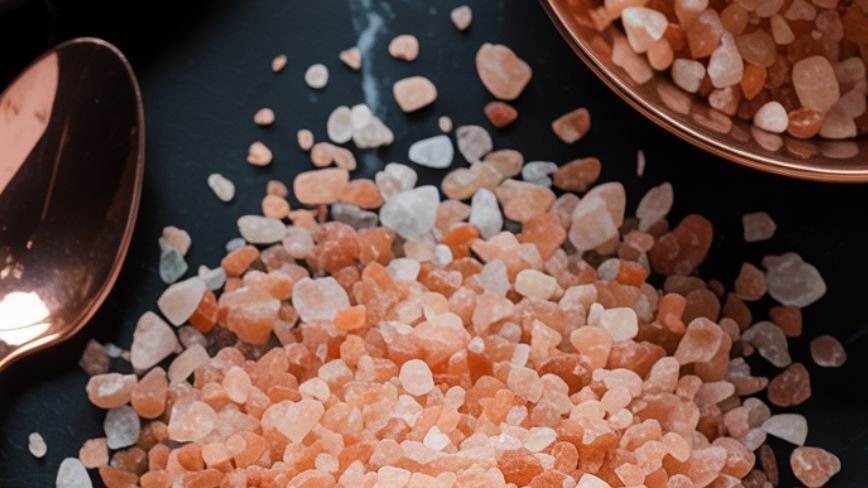
Real Himalayan pink salt is never uniformly colored. Because it’s hand-mined from ancient seabed deposits in the Khewra Salt Mines of Pakistan, natural mineral variations create subtle streaks of white, peach, rust, and deep rose. Fake pink salt is often sprayed with iron oxide dye, resulting in a flat, neon-pink appearance with zero natural variation.
What to do: Spread a small amount on white paper. Authentic salt shows irregular mineral banding and slight translucency under bright light. If every grain looks identically dyed, it’s likely artificial.
2. Perform the Slow-Dissolve Water Test
Pure Himalayan salt contains 84 trace minerals alongside sodium chloride. These minerals slow dissolution and leave a faint, slightly cloudy residue when dissolved in room-temperature water. Table salt or dyed imposters vanish instantly or leave a perfectly clear solution.
What to do: Add 1 teaspoon to ½ cup of room-temperature water. Stir gently for 10 seconds. Authentic pink salt will take 30–60 seconds to fully dissolve and leave a faint mineral haze. Instant dissolution or a bright pink water tint indicates artificial additives.
3. Taste for Earthy Mineral Complexity, Not Just Saltiness
Refined salt hits the palate with a sharp, one-dimensional sodium spike. Original Himalayan pink salt delivers a softer, rounded salinity with subtle earthy, slightly metallic notes from magnesium, potassium, and calcium traces. Dyed salt often tastes harsh or leaves an artificial aftertaste.
What to do: Place one grain on your tongue and let it dissolve naturally. Authentic salt should feel clean, not gritty, with a lingering mineral complexity. If it tastes aggressively salty or leaves a chemical film, it’s not genuine.
👉 [ Shop Our Lab-Certified, Traceable Himalayan Pink Salt Collection]
4. Verify Packaging, Origin, & Certification Labels
Authentic Himalayan salt is exclusively sourced from Pakistan’s Punjab region. Legitimate brands will clearly state Product of Pakistan Khewra Mine Origin, or Food-Grade Himalayan Rock Salt. Look for third-party certifications like ISO 22000, HACCP, or organic/minimal processing seals. Avoid vague terms like “imported pink salt” or “Himalayan-style.”
What to do: Flip the package. Scan for batch numbers, harvest dates, and anti-caking agent disclosures. Real pink salt rarely contains additives like sodium aluminosilicate or yellow prussiate of soda. If the ingredient list says “salt + anti-caking agents + pink colorant,” it’s not original.
5. Inspect Crystal Structure & Grind Consistency
Hand-mined salt is crushed, not milled into perfect uniformity. Authentic coarse Himalayan salt features irregular, jagged, or slightly translucent crystals with varying sizes. Machine-refined or fake versions are uniformly cubed, overly polished, or suspiciously fine despite being labeled “coarse.”
What to do: Hold the container up to light. Real salt crystals will reflect light differently due to natural fissures and mineral inclusions. Uniform, glass-like grains indicate industrial processing or synthetic manufacturing.
👉 [ Get 15% Off Your First Authentic Salt Purchase – Limited Time]
Why Authenticity Matters Beyond the Price Tag
Knowing how to identify original Himalayan pink salt protects you from hidden fillers, artificial dyes, and misleading health claims. While pink salt isn’t a miracle cure, genuine versions contain naturally occurring trace minerals in bioavailable forms, lack synthetic anti-caking agents, and deliver superior flavor depth for seasoning, brining, and finishing dishes. Counterfeit versions often strip minerals during refining, add iron oxide for color, and may even contain heavy metal contaminants from unregulated processing.
When you buy authentic, you’re investing in purity, culinary performance, and supply chain transparency. Verified products also support ethical mining practices and sustainable packaging standards that mass-market fakes ignore.
People Also Ask Questions
-
How to tell if Himalayan pink salt is real
- Real salt shows natural color variation, dissolves slowly with a faint mineral haze, tastes earthy (not sharp), lists Pakistan origin, and has irregular crystal structures. Dyed fakes look uniformly pink and dissolve instantly.
-
Does real Himalayan pink salt dissolve quickly in water
- No. Authentic pink salt takes 30–60 seconds to dissolve in room-temperature water due to its trace mineral content, leaving a slightly cloudy residue. Instant dissolution indicates refined or fake salt.
-
Is pink Himalayan salt dyed
- Genuine Himalayan pink salt is naturally colored by iron oxide and other minerals. Counterfeit versions are artificially dyed with food-grade iron oxide or synthetic colorants to mimic the appearance.
-
How to check purity of Himalayan pink salt at home
- Perform the water dissolve test, inspect color variation under white light, taste for mineral complexity, verify Pakistan origin on packaging, and check for anti-caking additives in the ingredient list.
-
Why is my Himalayan pink salt turning white
- Natural oxidation, moisture exposure, or surface mineral leaching can cause fading. Genuine salt won’t lose all pink pigment. Complete whitening may indicate low-mineral refined salt repackaged as pink salt.
-
Can you eat fake Himalayan pink salt
- Most “fake” versions use food-safe iron oxide, making them technically edible but nutritionally void. Some unregulated imports may contain heavy metals or synthetic anti-caking agents, making purity verification essential.
-
Does Himalayan pink salt contain iodine naturally
- No. Authentic Himalayan salt contains only trace, naturally occurring iodine. It is not iodized like table salt. If you rely on iodine for thyroid health, consider a separate iodine source.
-
How much should real Himalayan pink salt cost
- Authentic coarse pink salt typically ranges from $0.15–$0.40 per ounce wholesale, with retail prices between $5–$15 per pound. Suspiciously cheap bulk options often indicate refined or dyed alternatives.
-
Is Himalayan pink salt better than sea salt
- It depends on your goals. Himalayan salt offers consistent trace minerals and lower moisture content, while sea salt varies by region. Neither is clinically “healthier,” but authentic pink salt avoids microplastics found in some sea salts.
-
Does Himalayan pink salt expire
- Pure salt doesn’t expire, but moisture exposure can cause clumping or flavor degradation. Store in an airtight container away from humidity. Check packaging for “best by” dates related to packaging integrity, not salt spoilage.
-
Can Himalayan pink salt go bad or lose color
- It won’t spoil, but prolonged sunlight or high humidity may fade surface color. Authentic salt retains mineral integrity for years. Sudden, complete color loss suggests artificial dye washing off or low-mineral refined salt.
-
How to store Himalayan pink salt to keep it fresh
- Keep in a sealed glass or food-grade container in a cool, dry pantry. Avoid wooden grinders (moisture transfer) and humid areas near stoves. Use silica packets if clumping occurs.
-
Is coarse Himalayan salt the same as fine pink salt
- Yes, both are authentic pink salt; only crystal size differs. Fine salt is mechanically ground for even seasoning, while coarse is ideal for grinding or finishing. Both should share the same origin and purity markers.
-
Why does Himalayan pink salt clump sometimes
- Trace minerals like magnesium and calcium are hygroscopic, meaning they attract ambient moisture. Clumping is normal for authentic salt and indicates minimal anti-caking additives. Dry it gently or crush clumps before use.
-
Can you use Himalayan pink salt for canning
- Not recommended. Canning requires precise sodium chloride purity and consistent crystal density for safe preservation. Himalayan salt’s variable mineral content and trace elements can alter acidity levels and compromise food safety.
👉 [Join Our Salt Purity Newsletter & Get Exclusive Buyer Tips + Discounts]
Final Verification Checklist Before You Buy
Before adding pink salt to your cart, run this quick audit:
- ✅ Origin clearly states Pakistan/Khewra Mine
- ✅ Ingredient list: 100% Himalayan salt, zero additives
- ✅ Color shows natural gradients, not uniform dye
- ✅ Crystals are irregular, not perfectly cubed
- ✅ Price aligns with premium sourcing, not bulk discount anomalies
When in doubt, choose brands that publish third-party lab results for heavy metals, mineral profiles, and processing methods. Transparency is the strongest indicator of authenticity.