
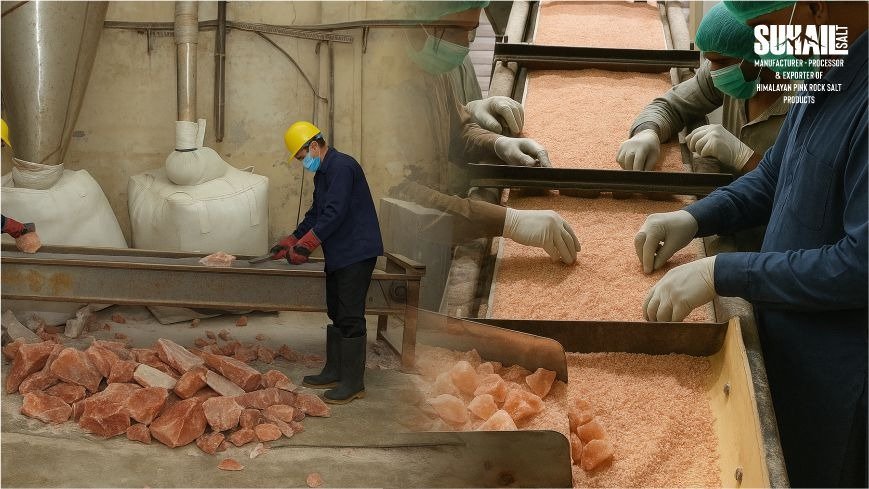
Black salt vs pink salt: Pink salt (Himalayan) is a minimally processed mineral salt best for everyday cooking, skin care, and electrolyte balance. Black salt (Kala Namak) is a volcanic, sulfur-rich salt prized in Ayurvedic medicine for digestion, and widely used in vegan cooking for its distinctive egg-like flavor. Both offer trace minerals and lower sodium than table salt — but they serve different purposes in the kitchen and for health.
The Battle of the Gourmet Salts
Walk into any specialty grocery store in the USA today and you will find an entire aisle dedicated to artisan and gourmet salts. Among the most talked-about options are two heavy-hitters: Himalayan pink salt and black salt (Kala Namak). Both have captured the attention of health enthusiasts, professional chefs, and wellness advocates alike — and for good reason.
However, when it comes to black salt vs pink salt, many buyers remain confused. Which is healthier? Which tastes better? And which one belongs in your pantry? This comprehensive guide breaks down everything you need to know — from origin and mineral composition to health benefits, culinary applications, sodium content, and which is the best salt for weight loss or digestion.
Whether you are a health-conscious consumer in the USA, a vegan cook exploring plant-based alternatives, or a B2B buyer sourcing premium Himalayan salt in bulk, this guide delivers clear, research-backed answers.
Black Salt vs Pink Salt: Origin and Mineral Composition
Himalayan Pink Salt — Origin & Composition
Himalayan pink salt is harvested from the Khewra Salt Mine in Punjab, Pakistan — one of the largest and oldest salt mines in the world. This ancient seabed deposit, formed over 250 million years ago, gives the salt its characteristic pink-to-rose hue, which comes from naturally occurring iron oxide (rust).
In terms of mineral composition, pink Himalayan salt contains over 80 trace minerals, including magnesium, calcium, potassium, and iron. These trace minerals make it a popular table salt alternative for consumers seeking a more natural, minimally processed option. Its sodium content is slightly lower than conventional table salt, making it appealing for those watching their sodium intake.
From an E-E-A-T perspective, multiple nutrition studies confirm that while the trace mineral content of pink Himalayan salt is measurably higher than table salt, the quantities consumed through normal dietary use are quite small. Therefore, it should not be relied upon as a primary mineral source.
Black Salt (Kala Namak) — Origin & Composition
Black salt, known as Kala Namak in Hindi, has a more complex origin story. It typically starts as Himalayan pink salt or rock salt but undergoes a dramatic transformation. The raw salt is mixed with charcoal, herbs, seeds, and bark — including Harad seeds and other Ayurvedic botanicals — and then fired in a furnace at extremely high temperatures (around 800°C).
This intense volcanic-style process transforms the sodium chloride and reduces sulfate to sulfide, creating the characteristic sulfur compounds responsible for black salt’s pungent, savory, ‘eggy’ aroma. When the molten salt cools, it solidifies into a dark brownish-black lump. Interestingly, when ground into a fine powder, Kala Namak takes on a pinkish-purple color, which often surprises first-time buyers.
Its mineral profile differs from pink salt primarily in its sulfur compound content — specifically hydrogen sulfide and ferrous sulfate — which give it a distinctive umami taste profile unlike any other salt variety.
Black Salt vs Pink Salt: Full Comparison Table
The table below provides a side-by-side comparison to help you make an informed purchase decision:
| Feature | Himalayan Pink Salt | Black Salt (Kala Namak) |
| Origin | Khewra Salt Mine, Pakistan | Himalayan region (processed) |
| Primary Minerals | Sodium Chloride + Iron Oxide | Sodium Chloride + Sulfur Compounds |
| Color | Pink to deep rose | Black/dark purple (raw), pinkish (ground) |
| Taste Profile | Clean, mildly sweet | Umami, savory, sulfuric ‘eggy’ taste |
| Sodium Content | Slightly lower than table salt | Generally lower than pink salt |
| Trace Minerals | 80+ including iron, magnesium | Sulfur, iron, potassium, and others |
| Best Culinary Use | Grilling, finishing, baking, rims | Vegan cooking, chaats, chutneys, tofu |
| Health Traditions | Halotherapy, skin care, electrolytes | Ayurvedic medicine, digestion, detox |
| Aroma | Neutral, clean | Pungent sulfuric aroma |
| Best Used For | Everyday cooking, bath salts, lamps | Digestion, vegan egg substitute, weight loss |
Health Benefits of Black Salt vs Pink Salt
Benefits of Black Salt (Kala Namak) for Digestion and Health
Black salt has been a cornerstone of Ayurvedic medicine for thousands of years. Its unique sulfur compounds and mineral profile give it a wide range of functional health benefits that pink salt simply does not offer:
- Digestive Aid: Kala Namak is traditionally used in India and South Asia to relieve bloating, heartburn, acid reflux, and constipation. Its alkaline properties help neutralize excess stomach acid naturally.
- Weight Loss Support: Black salt is often cited as the best salt for weight loss in Ayurvedic wellness communities. It is believed to reduce water retention, improve digestion, and stimulate metabolism when used in moderation.
- Detoxification: The sulfur compounds in black salt are thought to support liver function and help flush toxins from the body, making it a staple in Ayurvedic detox regimens.
- Electrolyte Balance: Like pink salt, black salt provides sodium and potassium — key electrolytes that regulate hydration, nerve function, and muscle performance.
- Anti-flatulence: Kala Namak is a key ingredient in traditional digestive spice blends like Chaat Masala and Jeera Pani precisely because of its carminative (gas-relieving) properties.
It is important to note that while Ayurvedic medicine and traditional use provide strong anecdotal evidence, more clinical research is needed to fully validate all of these health claims for Western medical standards.
Benefits of Himalayan Pink Salt for Skin, Respiration, and Mineral Intake
Himalayan pink salt offers a different — but equally compelling — range of health and wellness benefits:
- Halotherapy (Salt Therapy): Pink Himalayan salt is the foundation of halotherapy, a respiratory wellness practice that involves inhaling fine salt particles in specially designed salt rooms or through Himalayan salt inhalers. Many users in the USA report benefits for asthma, allergies, and sinus congestion.
- Skin Health: Pink salt is a prized ingredient in bath salts and exfoliating scrubs. Its coarser grains gently exfoliate dead skin cells, while magnesium and other minerals promote skin hydration and reduce inflammation.
- Electrolyte Replenishment: Adding pink salt to water creates a natural electrolyte drink that hydrates more effectively than plain water — a popular choice among athletes and health-conscious consumers.
- Trace Mineral Intake: While the quantities are small, consistent use of pink salt provides incremental amounts of over 80 trace minerals that are stripped from conventional processed table salt.
- Lamp & Air Purification: Himalayan pink salt lamps are widely used in the USA for their warm ambient glow and purported air-ionizing properties, making them a popular wellness home product.
Sodium Content in Pink vs Black Salt — What You Need to Know
Both black salt and pink Himalayan salt contain lower sodium levels than standard table salt. Standard iodized table salt is nearly 100% sodium chloride, whereas both gourmet alternatives carry trace minerals that slightly displace total sodium content per gram. Moreover, due to their stronger flavors — especially black salt’s pungent aroma — most people use less of them, further reducing overall sodium intake.
For individuals monitoring sodium for blood pressure management or cardiovascular health, both black salt and pink salt represent better choices than conventional table salt. However, neither is sodium-free, and moderation remains essential.
Black Salt vs Pink Salt: Culinary Uses and How to Choose
When to Use Himalayan Pink Salt in Cooking
Himalayan pink salt’s clean, subtly sweet mineral taste makes it extremely versatile in the kitchen. Here is when it excels:
- Grilling & Meats: Use coarse pink salt as a dry rub for steaks, lamb chops, and grilled vegetables. Its mineral depth enhances the natural umami of proteins.
- Finishing Salt: Sprinkle fine pink salt over pasta, salads, or roasted vegetables just before serving for a gourmet touch.
- Baking: Substitute table salt with fine-ground pink Himalayan salt in breads, cookies, and pastries for a subtle flavor upgrade.
- Cocktail Rims: Coarse pink salt adds visual appeal and flavor to margaritas, Bloody Marys, and craft cocktails.
- Everyday Cooking: Use it anywhere you would use regular table salt — soups, sauces, marinades, and dressings.
- Bath & Body Products: Its coarser grains and mineral content make pink salt the gold standard for homemade bath soaks and exfoliating scrubs.
When to Use Black Salt (Kala Namak) in Cooking
Black salt’s sulfuric, egg-like flavor profile makes it a specialist ingredient — used intentionally for specific culinary effects:
- Vegan Egg Substitute: Sprinkle Kala Namak over tofu scrambles, vegan omelets, or chickpea flour dishes to create an authentic egg flavor without using eggs. This is the most popular application for black salt in the US vegan cooking community.
- Indian Street Food: Black salt is an essential ingredient in Indian chaats (such as Pani Puri, Bhel Puri, and Aloo Chaat), chutneys, raitas, and lassi drinks.
- Digestive Drinks: Add a pinch of Kala Namak to lemon water, Jaljeera, or Ayurvedic herbal drinks to stimulate digestion.
- Chaat Masala: It is a primary ingredient in this iconic South Asian spice blend used across dozens of savory snacks and salads.
- Fruit Salads: A light sprinkle over fresh fruit — particularly mangoes, guavas, and watermelon — elevates the flavor with a savory-sweet contrast popular in South Asian cuisine.
Important: Due to its strong sulfuric aroma, black salt should be used sparingly. A little goes a very long way. It is not a salt you would shake freely over a dish the way you might use pink or table salt.
Black Salt vs Pink Salt: Which Is Better for You?
The answer depends entirely on your personal health goals and how you plan to use it. Therefore, instead of declaring a definitive winner, consider the following decision framework:
| Choose Pink Salt If… | Choose Black Salt If… |
| You want a versatile everyday cooking salt | You want to support digestion naturally |
| You are interested in skin or respiratory wellness | You follow a vegan diet and want egg flavors |
| You need a clean flavor without strong aromas | You enjoy South Asian cuisine and street food |
| You want a natural table salt alternative | You are following an Ayurvedic health protocol |
| You are buying in bulk for food manufacturing | You want the lowest sodium option of the two |
Moreover, many health-conscious households in the USA keep both varieties on hand — using pink salt daily and reserving black salt for specific culinary or wellness applications.
Frequently Asked Questions
Q1. Is black salt healthier than pink Himalayan salt?
Both have health merits. Black salt (Kala Namak) is superior for digestion, bloating relief, and weight loss support due to its Ayurvedic properties and sulfur compounds. Pink Himalayan salt excels for skin health, halotherapy, and everyday mineral-rich cooking. Neither is definitively ‘healthier’ — it depends on your specific health goals.
Q2. Can I use black salt instead of pink salt in cooking?
You can, but the results will be very different. Black salt has a pungent, sulfuric, egg-like aroma that dramatically changes the flavor profile of dishes. It works wonderfully in vegan cooking, chutneys, and South Asian recipes. However, it is not suitable as a direct substitute in neutral applications like baking or simple seasoning.
Q3. Which has less sodium — black salt or pink salt?
Black salt (Kala Namak) generally has slightly lower sodium content than pink Himalayan salt, which itself contains less sodium than conventional table salt. Both are better options than processed table salt for individuals managing sodium intake. However, always consult a healthcare provider for specific dietary sodium guidance.
Q4. What is Kala Namak, and where can I buy it in the USA?
Kala Namak is the Hindi name for black salt — a volcanic, sulfur-rich salt processed with Ayurvedic herbs and charcoal. In the USA, it is available at Indian grocery stores, specialty health food stores, and online retailers like Amazon. Premium food-grade Kala Namak is also available from Himalayan salt manufacturers like Suhail Salt for bulk B2B purchasing.
Q5. Is pink Himalayan salt good for weight loss?
Pink salt can support weight management indirectly by replacing high-sodium processed table salt, helping with electrolyte balance, and reducing water retention. However, black salt is more directly associated with weight loss in Ayurvedic practice due to its digestive and metabolic benefits. Neither salt alone causes weight loss — they work best as part of a balanced diet.
Q6. Are Himalayan pink salt and black salt from the same region?
Yes — both have origins connected to the Himalayan region. Himalayan pink salt is directly mined from the Khewra Salt Mine in Pakistan. Black salt is often manufactured by heating Himalayan or Indian rock salt with charcoal and Ayurvedic herbs. However, their processing methods create dramatically different products in terms of taste, aroma, color, and mineral profile.
Q7. Can vegans use black salt as an egg substitute?
Absolutely. Black salt is one of the most popular tools in vegan cooking precisely because its sulfur compounds mimic the taste and aroma of eggs. A light sprinkle of Kala Namak over tofu scrambles, vegan mayonnaise, or chickpea omelets delivers a remarkably convincing egg-like flavor that most plant-based diets struggle to replicate otherwise.
Conclusion: Black Salt vs Pink Salt — The Final Verdict
When it comes to black salt vs pink salt, there is no single right answer — because these two extraordinary salts serve different masters. Himalayan pink salt is your go-to for clean, mineral-rich everyday cooking, skin wellness, and respiratory health through halotherapy. It is a versatile, beautiful, and naturally powerful ingredient that belongs in every kitchen and bathroom.
Black salt (Kala Namak), on the other hand, is the specialist. Rooted in thousands of years of Ayurvedic medicine and South Asian culinary tradition, it is unmatched for digestive support, vegan egg flavoring, and the bold, complex flavors of Indian street food. If you are exploring plant-based cooking or holistic health, Kala Namak is a must-have.
Together, they represent the best of what natural, mineral-rich salt can offer — far beyond what conventional processed table salt provides. The sodium content in pink vs black salt is more favorable than table salt in both cases, and the trace minerals in each variety contribute to a more wholesome nutritional profile.
For those seeking premium quality and reliable supply at competitive prices, sourcing directly from a trusted manufacturer makes all the difference.
About Suhail Salt — Your Trusted Himalayan Pink Salt Manufacturer & Exporter
Suhail Salt is a leading Himalayan Pink Rock Salt manufacturer and exporter in Pakistan, supplying premium-quality, mineral-rich salt products worldwide. Our salt is hand-mined from the world-famous Khewra Salt Mines — 100% natural, pure, and mineral-rich.
We supply: Edible Salt | Industrial Salt | Salt Lamps | Bath Salt | Animal Lick Blocks | Private Label Products
Serving wholesalers, retailers, and distributors across USA, Europe, Middle East, and Asia with competitive pricing, custom grinding, private labeling, and full export documentation support.