
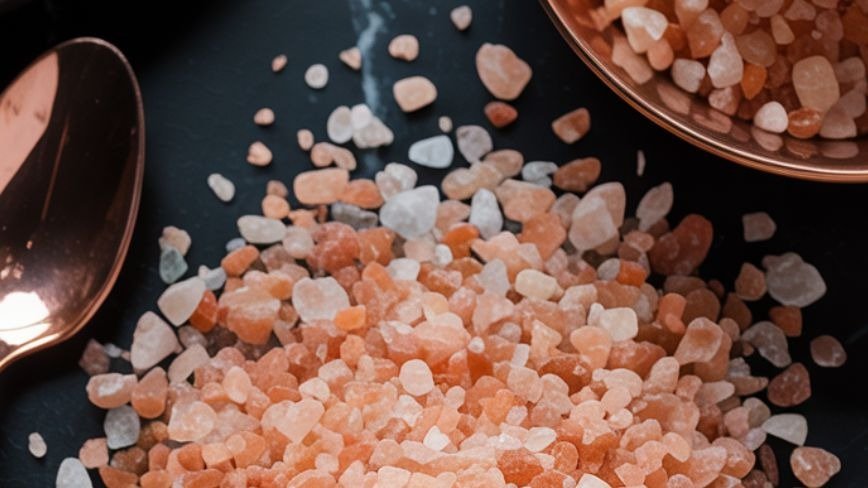
There’s something mesmerizing about the first time you sprinkle rose-hued crystals over a perfectly grilled steak or fold them into dark chocolate ganache. This isn’t just salt—it’s a culinary experience that transforms ordinary dishes into extraordinary moments. Mined from the ancient Khewra Salt Mines in Pakistan, pink salt has journeyed over 200 million years to reach your kitchen, carrying with it a story written in crystalline layers.
At Suhail Salt, we believe that understanding how to cook with pink salt unlocks a new dimension of flavor. Unlike heavily processed table salt, these unrefined crystals offer a milder, earthier taste that enhances rather than overwhelms. Whether you’re a home cook experimenting with healthier alternatives or a gourmet foodie seeking that perfect finishing touch, this guide will equip you with professional techniques and practical knowledge.
Ready to elevate your culinary game? Let’s explore why chefs worldwide are making the switch to this mineral-rich alternative.
Why Cook with Pink Salt?
The difference between pink salt and your standard table salt goes far beyond aesthetics. When you cook with pink salt, you’re choosing an unrefined ingredient that contains no anti-caking agents or artificial additives. This purity translates directly to flavor—expect a cleaner, more nuanced taste that allows the natural flavors of your ingredients to shine through.
The flavor profile sets it apart:
- Milder salinity: Less harsh than table salt, making it ideal for finishing dishes
- Earthy undertones: Trace minerals like magnesium and potassium contribute subtle complexity
- Textural interest: The crystalline structure provides a satisfying crunch when used as a finishing salt
According to research published in the Journal of Food Science, the mineral composition of Himalayan pink salt includes up to 84 trace elements, though it’s important to note that sodium chloride remains the primary component. These trace minerals don’t dramatically alter nutritional value, but they do influence how the salt interacts with food at a molecular level.
Health-conscious cooks appreciate that pink salt:
- Contains no artificial additives or bleaching agents
- Supports electrolyte balance when used as part of a balanced diet
- Offers a natural alternative to processed sodium chloride
The Culinary Institute of America emphasizes that proper seasoning is fundamental to great cooking, and the quality of your salt matters. By choosing an unrefined option, you’re not just adding sodium—you’re enhancing the entire sensory experience of your dish.
Fine vs. Coarse vs. Blocks: Choosing the Right Form
Not all pink salt is created equal, and understanding the three main culinary forms will transform how you approach seasoning. Each variety serves a distinct purpose in the kitchen, and using the right type at the right time separates amateur cooking from professional results.
Fine Pink Salt resembles table salt in texture but delivers superior flavor. This is your everyday workhorse for:
- Baking, where even distribution is critical
- Seasoning pasta water and soups
- Incorporating into marinades and dressings
- General cooking where the salt needs to dissolve quickly
Coarse Pink Salt features larger, irregular crystals that provide both flavor and texture. Reserve this variety for:
- Grinding fresh from a mill for maximum flavor
- Finishing steaks, roasted vegetables, and salads
- Creating salt rims for cocktails
- DIY gift baskets and decorative presentations
Pink Salt Blocks represent the most dramatic culinary application. These solid slabs serve multiple purposes:
- Cooking surfaces for searing meats, fish, and vegetables
- Chilling boards for sushi, oysters, and desserts
- Serving platters that impart subtle salinity
- Show-stopping presentation pieces for dinner parties
Visual Guide: Grain Size & Best Use-Cases
| Grain Size | Texture Description | Best Use-Case |
|---|---|---|
| Powdered | Dust-like, dissolves instantly | Popcorn, spice blends |
| Fine | Small uniform crystals | Baking, soups, sauces |
| Medium | Table salt consistency | Everyday cooking |
| Coarse | Large irregular crystals | Grinding, finishing |
| Extra Coarse | Chunky crystals | Salt block cooking |
| Block | Solid slab | Searing, chilling, serving |
At Suhail Salt, we offer all three forms to ensure you have the right tool for every culinary task.
The Culinary Conversion: Getting Measurements Right
One of the biggest mistakes home cooks make is assuming pink salt can be swapped 1:1 with table salt. The crystal size dramatically affects volume and density, meaning a teaspoon of fine pink salt contains significantly more sodium chloride than a teaspoon of coarse crystals.
Pink Salt Conversion Chart
| If Recipe Calls For: | Use This Amount of Pink Salt: |
|---|---|
| 1 tsp fine table salt | 1 tsp fine pink salt |
| 1 tsp coarse sea salt | 1¼ tsp coarse pink salt |
| 1 tbsp table salt | 1 tbsp fine pink salt |
| 1 tbsp coarse salt | 1½ tbsp coarse pink salt |
| 1 cup boiling water (for pasta) | 1½ tbsp fine pink salt |
Key principles to remember:
- Fine grain measures similarly to table salt but tastes slightly milder
- Coarse grain requires more volume to achieve the same salinity
- Always taste as you go when switching salt types
- Adjust gradually—you can add more, but you can’t remove it
When brining or pickling, precision matters. We recommend weighing your salt rather than measuring by volume for consistent results. If you’re new to pink salt, check out our Starter Grinder Set to experiment with different grinds and find your preference.
5 Techniques You Must Try
Mastering these five techniques will unlock the full potential of cooking with pink salt. Each method highlights different properties of this versatile ingredient, from its ability to penetrate deep into proteins to its dramatic presentation value.
1. Brining with Pink Salt
Brining is the secret to juicy, flavorful meats and vegetables. The trace minerals in pink salt help break down protein structures while infusing subtle complexity.
How to brine properly:
-
- Dissolve ¼ cup fine pink salt in 4 cups warm water
- Add aromatics like garlic, herbs, or citrus
- Submerge chicken, pork, or firm vegetables
- Refrigerate for 2-24 hours depending on size
The WHO recommends monitoring sodium intake, so use brining strategically for special meals rather than daily cooking.
2. Finishing Like a Pro
This is where pink salt truly shines. A final sprinkle of coarse crystals adds texture, visual appeal, and bursts of flavor that elevate simple dishes to restaurant quality.
Perfect finishing applications:
- Grilled steaks and lamb chops
- Roasted root vegetables
- Fresh avocado toast
- Dark chocolate desserts
- Caramel and chocolate ganache
Why it works: The mineral composition creates a flavor pairing science that enhances fats beautifully. The slight crunch contrasts with creamy textures, while the earthy notes complement both sweet and savory profiles.
3. Salt Block Searing
Cooking directly on a heated pink salt block imparts subtle salinity while creating a stunning presentation. This ancient technique requires patience but delivers unforgettable results.
The Tempering Process (Critical Step):
Many competitors skip this, but proper tempering prevents your expensive block from cracking:
- Day 1: Heat block at 150°F (65°C) for 30 minutes
- Day 2: Increase to 200°F (93°C) for 45 minutes
- Day 3: Raise to 250°F (121°C) for 60 minutes
- Day 4: Heat to 300°F (149°C) for 75 minutes
- Day 5: Block is ready for cooking at 400-500°F

Cooking on your block:
- Preheat gradually (15 minutes per 100°F increase)
- Sear thin-cut meats, fish, or vegetables for 2-3 minutes per side
- The block naturally seasons food—use minimal additional salt
- Clean with a damp cloth only; never use soap
4. Infusing Oils and Vinegars
Create gourmet gifts or elevate your pantry with pink salt-infused liquids. The minerals dissolve slowly, creating layered flavor profiles.
Simple infusion method:
- Add 2 tbsp coarse pink salt to 1 cup quality olive oil
- Include herbs like rosemary, thyme, or chili flakes
- Store in a sealed glass bottle for 2 weeks
- Shake gently every few days
- Strain or leave crystals for visual appeal
Use infused oils for finishing dishes, drizzling over bread, or creating salad dressings.
5. Baking with Precision
Yes, you can bake with pink salt—and you should. Fine pink salt enhances both sweet and savory baked goods without altering texture.
Baking applications:
- Bread: Replace table salt 1:1 with fine pink salt for better crust development
- Cookies: Sprinkle coarse crystals on top before baking for sweet-salty contrast
- Cakes: Use fine pink salt to balance sweetness and enhance chocolate flavors
- Pastries: Incorporate into dough for flaky, well-seasoned layers
The key is using the right grind. Fine pink salt distributes evenly throughout batters, while coarse crystals work best as decorative toppings.
Storing Your Culinary Salt
Proper storage preserves the quality, texture, and flavor of your pink salt investment. Unlike table salt with anti-caking agents, unrefined pink salt can clump when exposed to moisture.
Best practices for storage:
- Use airtight glass or ceramic containers with tight-fitting lids
- Store in a cool, dry place away from direct sunlight
- Keep away from stovetops and dishwashers where humidity fluctuates
- Add a few grains of uncooked rice to absorb excess moisture
- Never store in metal containers, which can react with minerals
For salt blocks:
- Wrap in breathable cloth or paper after cleaning
- Store in a dry location with stable temperature
- Avoid plastic wrap, which traps moisture
- Check periodically for surface moisture
At Suhail Salt, our packaging is designed for optimal preservation, but transferring to proper containers extends shelf life indefinitely.
Common Mistakes to Avoid
Even experienced cooks stumble when transitioning to pink salt. Avoiding these pitfalls ensures consistent results and prevents waste.
Mistake #1: Using coarse salt in baking
Large crystals won’t dissolve properly in batters, creating uneven salinity and textural issues. Always use fine pink salt for baking unless the recipe specifically calls for coarse finishing.
Mistake #2: Assuming all pink salt is food-grade
Decorative pink salt lamps and bath salts are NOT safe for consumption. Only use culinary-grade pink salt from reputable sources like Suhail Salt that certify their products for food use.
Mistake #3: Over-salting due to visual confusion
Coarse pink salt looks like more salt than fine, but it’s actually less dense. This leads to under-seasoning if you’re not adjusting measurements. Reference our conversion chart above.
Mistake #4: Heating salt blocks too quickly
Impatience destroys salt blocks. Always follow the 5-day tempering process. A cracked block can’t be repaired and becomes a safety hazard.
Mistake #5: Using soap on salt blocks
Salt is porous and will absorb soap, making the block unusable for cooking. Clean only with a damp cloth and scrape off food residue while the block is still warm.
New to pink salt? Check out our Starter Grinder Set to begin your journey.
FAQ & Conclusion
Can you cook with pink salt in pasta water?
Yes, absolutely. Use 1½ tablespoons of fine pink salt per cup of boiling water for properly seasoned pasta. The minerals may create a slightly cloudier appearance, but the flavor is superior to table salt.
Is pink salt iodine-rich?
No. Unlike iodized table salt, pink salt contains only trace amounts of naturally occurring iodine. If you rely on salt as your primary iodine source, consult the FDA guidelines and consider alternative sources like seafood or dairy.
Can I use pink salt for canning and pickling?
Yes, fine pink salt works well for canning because it contains no anti-caking agents that could cloud brines. Ensure you’re using food-grade salt and follow tested recipes for safe preservation.
Does pink salt expire?
Properly stored pink salt has an indefinite shelf life. The minerals are stable, and salt’s natural preservative properties prevent spoilage. However, exposure to moisture can cause clumping.
Why is pink salt better for finishing?
The crystalline structure provides textural contrast, while the trace minerals create a more complex flavor profile than refined salts. The visual appeal of rose-hued crystals also elevates presentation.
Ready to transform your cooking?
Cooking with pink salt isn’t just about swapping one ingredient for another—it’s about embracing a more mindful, flavor-forward approach to seasoning. From the ancient Khewra Mines to your kitchen counter, these crystals carry millions of years of geological history and a commitment to purity that processed salts simply can’t match.
Whether you’re brining a holiday turkey, searing scallops on a salt block, or sprinkling coarse crystals over homemade caramel, Suhail Salt provides the quality and consistency that discerning cooks demand.
Ready to upgrade your pantry? Shop Premium Himalayan Salt from Suhail Salt today and discover why chefs and home cooks alike are making the switch to this mineral-rich, unrefined alternative.
For more information on the wellness properties of pink salt, read our comprehensive guide on Himalayan Salt Benefits. Want to dive deeper into salt varieties? Explore our detailed Pink Salt vs. Sea Salt comparison or browse our Bulk Pink Salt options for serious cooks and small businesses.